- Choosing a skilled septic and sewer provider helps prevent costly repairs and keeps your system working safely for years.
- Checking for licensing, experience, and proper waste disposal ensures you work with professionals who follow standards and use the right tools.
- Regular maintenance and quick response from a trusted local company like J & J Septic & Sewer Cleaning protects your property and maintains reliable performance.
For many property owners, septic and sewer systems stay out of sight and mind until something goes wrong. When wastewater starts backing up or unpleasant smells appear, it becomes clear how important these systems are. Choosing the right service provider is not just about fixing a problem; it’s about keeping the system working for years without unexpected issues. Picking the wrong company can lead to more damage, wasted money, and frustration.
Finding the right professionals takes a bit of research and understanding. The goal is to select a provider that offers skill, reliability, and value. Septic systems need careful handling, and the company you choose should understand both the science and the safety behind the work.
Understanding Septic and Sewer Systems
Before choosing a provider, it helps to know what these systems do. A septic system manages wastewater for homes that are not connected to a city sewer line. It includes a tank and a drain field. Wastewater flows into the tank, solids settle at the bottom, and lighter materials float to the top. The liquid layer moves into the drain field, where the soil filters it naturally.
A sewer system, on the other hand, carries waste from multiple properties through underground pipes to a treatment plant. Both systems require maintenance, but septic systems need more regular attention because they work independently.
Over time, sludge and scum build up in septic tanks. Without cleaning, this buildup blocks pipes and causes backups. Sewer lines can also clog due to grease, debris, or tree roots. Regular service prevents these issues and keeps everything running smoothly.
A company that understands these details can spot potential trouble early. That’s why choosing experienced professionals matters.
Why Choosing the Right Provider Matters
A septic or sewer system problem affects more than just plumbing. It can damage property, harm groundwater, and pose health risks. The right provider helps you avoid these outcomes through proper cleaning, inspections, and repairs.
Hiring an unqualified service may seem cheaper, but mistakes often lead to expensive repairs. Tanks might not be pumped correctly, lines could be damaged during cleaning, or waste may be disposed of improperly. These problems can cost thousands of dollars to fix and may even bring legal consequences if waste handling rules are broken.
Choosing a reliable company means your system gets serviced safely, following all regulations. It also means fewer surprises later. A trusted provider helps maintain the system’s lifespan and keeps your property safe.
Key Qualities to Look for in a Septic and Sewer Service Provider
Finding the right company means more than just picking a name from a list. The best providers combine knowledge, experience, and responsibility. They handle the job safely, follow local regulations, and use proper tools for cleaning and maintenance. A dependable company protects your property and helps your system work smoothly for years without unnecessary problems.
1. Proper Licensing and Certification
The first step in choosing any service provider is checking their credentials. Septic and sewer work requires training and certification. Each state sets its own requirements, so always confirm that the company has current licensing.
Licensed providers know how to manage waste safely and follow health department regulations. They also stay updated with local codes and environmental laws. Hiring someone without proper certification may lead to violations or unsafe work practices.
Ask for proof of licensing before agreeing to any service. A reputable company will have no problem showing documentation.
2. Experience in the Industry
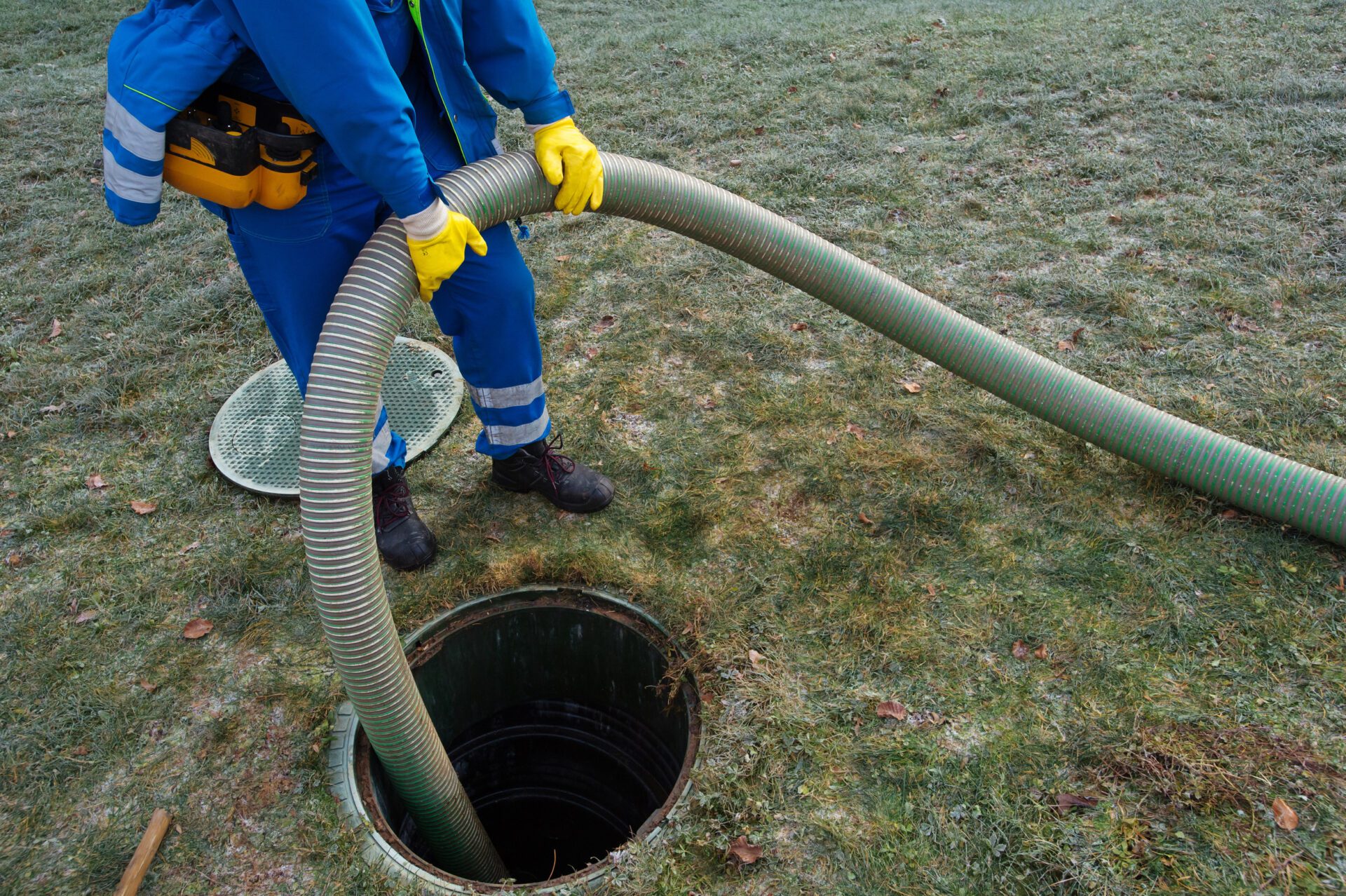
Experience is the foundation of good service. Septic systems vary in design and age, and each one requires a different approach. A company that has worked in the field for years understands how to handle older tanks, new installations, and everything in between.
Seasoned professionals can diagnose problems quickly and recommend the right solutions. They recognize early signs of system failure that an inexperienced worker might overlook. Their background also helps them adapt to different soil types, climates, and local conditions.
When speaking with a company, ask how long they’ve been in business and what kinds of systems they have worked on. This helps you judge their expertise.
3. Range of Services
A complete service provider handles more than just septic pumping. Look for one that offers cleaning, inspections, repairs, and installations. Some also perform sewer line jetting, excavation, and aeration system maintenance.
A company with broad expertise can identify related issues while servicing your system. For example, a technician may notice early signs of drain field saturation or pipe blockages. Fixing these problems early prevents future damage.
Working with a full-service provider saves time and effort. You don’t need to hire multiple companies for different jobs. Everything gets handled by one team familiar with your system.
4. Availability and Response Time
Septic and sewer problems don’t always happen during business hours. A reliable company should offer flexible scheduling and emergency service when needed. Delays in addressing clogs or overflows can cause damage and health risks.
Ask about response times before hiring. A provider that values customers will respond promptly and communicate clearly. Some companies even offer same-day or next-day service for urgent cases.
Fast, dependable service reflects professionalism and respect for the customer’s situation.
5. Modern Equipment and Technology
The best companies use advanced equipment to inspect and clean systems safely. This includes vacuum trucks, high-pressure water jets, and video cameras for pipe inspection. These tools allow technicians to work efficiently without damaging the system.
For instance, video inspection helps locate blockages without digging. Jetting equipment removes buildup thoroughly, restoring proper flow. Companies that invest in technology demonstrate a commitment to quality work.
When comparing providers, ask about the tools and methods they use. Modern equipment often means faster service and better results.
6. Waste Disposal Practices
Handling waste is not just about removing it from your tank or pipes. It must be disposed of safely at certified treatment facilities. A trustworthy company follows strict disposal procedures to protect public health and the environment.
Improper disposal can contaminate water sources and violate environmental laws. Always ask where the waste is taken after pumping or cleaning. A professional provider will give a clear answer and may even show documentation from disposal sites.
This attention to responsibility separates genuine professionals from casual operators.
7. Reputation and Customer Feedback
Customer experiences tell a lot about a company’s reliability. Check online reviews and ratings before making a decision. Look for consistent positive feedback about punctuality, honesty, and thoroughness.
Avoid providers with repeated complaints about poor service or hidden charges. Word of mouth can also help—ask neighbors or friends for recommendations.
A company that builds long-term customer relationships usually takes greater care in its work. Their reputation reflects the quality you can expect.
8. Transparent Pricing
A professional company provides clear estimates before starting any job. They explain what each service includes and list all potential costs upfront.
Be cautious of unusually low quotes. They often hide extra charges or signal poor-quality work. Transparent pricing builds trust and helps you plan your budget.
Ask for a written estimate and compare it with others. The goal isn’t to find the cheapest option but the one that offers honest value.
9. Safety Standards
Septic and sewer work involves hazards, including exposure to waste and gases. Reliable providers follow safety procedures and use protective gear. This protects both their workers and your property.
Companies that prioritize safety often have well-trained teams and clear work protocols. They also carry liability and workers’ compensation insurance, shielding homeowners from potential claims. Always confirm that the company is insured and adheres to safety guidelines.
Questions to Ask Before Hiring
Choosing the right provider involves asking the right questions. Here are some examples:
- How long have you been in business?
- Do you handle both residential and commercial systems?
- What kind of equipment do you use for cleaning and inspections?
- How do you dispose of the waste you collect?
- Can you provide references or customer testimonials?
- Do you offer maintenance plans or scheduled service reminders?
The answers reveal how professional and prepared the company is. A confident provider will answer clearly without hesitation.
Common Red Flags to Watch Out For
Not every company that advertises septic or sewer services delivers quality. Watch for these warning signs before hiring:
- No physical address or valid contact number.
- Vague answers about licensing or disposal methods.
- Pressure to sign contracts immediately.
- Extremely low pricing that seems unrealistic.
- Poor communication or missed appointments.
If a company shows any of these signs, it’s better to look elsewhere. Reliable providers operate with transparency and professionalism.
Comparing Local Providers
Local experience plays a big role in choosing the right team. Soil types, groundwater levels, and regional weather affect how septic systems perform. A local provider familiar with these conditions can offer better maintenance advice and faster service.
For instance, J & J Septic & Sewer Cleaning serves multiple counties in Illinois and understands how local soil and weather patterns affect drain fields. Their technicians handle everything from septic pumping to sewer line jetting, giving homeowners one reliable source for service.
Working with local experts also makes scheduling easier. They can respond quickly and may already have experience with your neighborhood’s system designs.
The Importance of Regular Maintenance
A septic or sewer system doesn’t need attention only when problems appear. Regular maintenance prevents clogs, leaks, and system failure. Skipping cleaning can shorten the life of your tank or pipes.
Professional maintenance usually includes:
- Pumping the septic tank to remove sludge buildup.
- Inspecting pipes for leaks or blockages.
- Checking drain field performance.
- Cleaning sewer lines using high-pressure jetting.
Following a consistent service schedule keeps the system reliable and reduces the risk of emergencies.
What Professional Service Looks Like
A professional provider begins with an inspection to assess the system’s condition. They locate the tank, check levels, and inspect components like baffles and lids. Using vacuum trucks, they remove both liquid and solid waste.
During the process, they might use cameras to inspect pipes or check the drain field for signs of overflow. After cleaning, they advise on the next maintenance schedule and any repairs needed.
Some companies also offer written reports that record tank size, condition, and service date. This helps track maintenance history, which can be useful for future property sales.
Don’t risk costly damage or messy backups. J & J Septic & Sewer Cleaning is your trusted local team for reliable septic and sewer services. From thorough pumping to expert maintenance, we keep your system running the way it should. If you notice slow drains or foul odors, it’s time to act. Get in touch with us today for professional service that keeps your home safe and your system working smoothly.