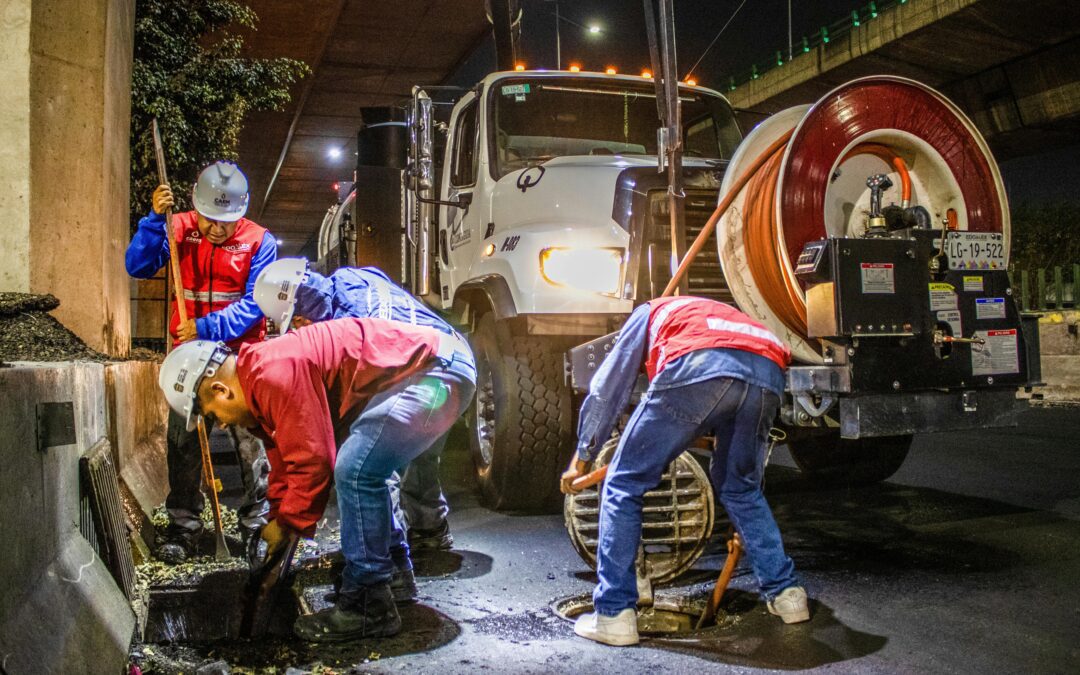
The most common causes of sewer line blockages include invasive tree roots, the accumulation of fatbergs from grease and oils, and flushing non-biodegradable items like wipes or feminine products. Structural issues such as pipe sagging (bellies) or age-related corrosion in cast iron pipes also contribute significantly to frequent backups. To maintain a clear line, homeowners must control what enters their drains and conduct periodic inspections to catch minor obstructions before they become full-scale emergencies.
Why Do Tree Roots Target Your Sewer Line?
Tree roots are the single most frequent cause of exterior sewer line blockages, especially in older neighborhoods with mature landscaping. Roots are naturally attracted to the warmth and moisture inside sewer pipes; they can detect microscopic vapor leaks and will grow toward the source. Once a tiny root fiber finds a crack or a loose joint, it enters the pipe and expands rapidly, feeding on the nutrient-rich wastewater.
Unlike a simple clog made of hair or soap, root intrusions act like a net. They catch every other piece of debris passing through the pipe, creating a dense, impenetrable mass. Chemical root killers may provide a temporary fix, but if the structural integrity of the pipe is compromised, professional hydro-jetting or mechanical snaking is usually required to clear the line. If left ignored, the expanding roots will eventually shatter the pipe, leading to an expensive excavation and replacement.
The Hidden Danger of Fatbergs and Kitchen Grease
Many homeowners mistakenly believe that hot water and liquid soap will wash away grease poured down the kitchen sink. In reality, as soon as grease and animal fats hit the cold sewer pipes underground, they solidify. This sticky residue coats the interior walls of the pipe, narrowing the diameter over time. When these fats combine with non-biodegradable debris like wet wipes, they form fatbergs—rock-hard masses that can block an entire main line.
The best way to prevent grease-related blockages is to never pour oils or fats down the drain. Even small amounts from rinsing plates can accumulate over years. Instead, use a paper towel to wipe greasy pans before washing them and collect cooking oil in a jar for trash disposal. If your drains are running slow and you smell a foul, rancid odor, it is likely a sign that grease has already begun to constrict your sewer line.
Are Flushable Wipes Actually Safe for Your Pipes?
Despite what the packaging claims, there is no such thing as a truly flushable wipe. Unlike standard toilet paper, which is designed to disintegrate in water within seconds, wipes are made of synthetic fibers that remain intact for days or weeks. When flushed, they snag on pipe imperfections, rust, or tree roots, quickly creating a dam that stops the flow of wastewater.
This issue extends to other common household items like paper towels, cotton swabs, and feminine hygiene products. These materials do not dissolve; they occupy space and trap other waste. In a high-performance sewer system, the flush should be reserved strictly for human waste and toilet paper. Switching to a trash bin for wipes is one of the simplest and most effective ways to avoid a midnight visit from a plumber.
How Pipe Age and Material Lead to Failure
The material your sewer line is made of determines its vulnerability to blockages. Older homes built before the 1980s often utilize cast iron or Orangeburg (bituminous fiber) pipes. Cast iron is prone to internal rusting and scaling, where the inside of the pipe becomes rough and jagged. This rough surface catches toilet paper and waste, leading to frequent soft clogs.
Orangeburg pipes are even more problematic, as they are essentially layers of wood fiber and tar that eventually flatten or collapse under the weight of the soil. Modern PVC (plastic) pipes are much smoother and more resistant to roots, but they are not invincible. If you live in an older home, having a sewer camera inspection is vital to determine if your blockages are caused by debris or by the physical disintegration of the pipe itself.
What Is a Sewer Pipe Belly and How Does It Occur?
A sewer belly is a sag or a low spot in the underground pipe caused by soil shifting, poor installation, or extreme weather changes. Sewer lines rely on gravity to move waste; they are installed at a precise slope to ensure everything flows downward. When a section of the pipe sags, water and solids collect in that low spot, much like water pooling in a valley.
Over time, the solids (sludge) settle at the bottom of the belly, while the liquid flows over the top. This creates a permanent bottleneck. Eventually, the accumulation of sludge becomes so thick that the entire line stops. Because this is a structural problem, no amount of chemical cleaning will fix a belly; the only permanent solution is to excavate the area and re-level the pipe to restore proper gravity flow.
The Impact of High-Efficiency Appliances on Older Lines
Modern high-efficiency (HE) toilets and washing machines use significantly less water than older models. While this is great for the environment and your water bill, it can be problematic for older sewer lines. Older pipes were designed to handle high volumes of water that provided a scouring effect, pushing waste all the way to the city main.
With less water being used per flush, there is less force to move heavy solids. If your pipes are already rough from age or have minor root issues, the low water volume from HE appliances may not be enough to clear the line. Homeowners with HE fixtures should ensure they are using high-quality, rapidly-dissolving toilet paper and occasionally flash the system by running a full tub of water to help push settled debris through the main line.
Recognizing the Signs of a Main Line Emergency
Identifying a sewer blockage early can prevent a messy and hazardous backup into your bathtubs and sinks. The most common warning sign is multiple fixture backups. If you flush the toilet and water bubbles up in the shower, or if your floor drain leaks when the washing machine runs, the blockage is likely in the main sewer line rather than a single sink trap.
Other signs include persistent gurgling noises coming from the drains or an unexplained soggy patch in your yard that smells like sewage. If you notice these symptoms, stop using water immediately. Turning off the main water supply prevents more liquid from entering the clogged line, which can mitigate the amount of sewage that eventually backs up into your home’s lowest levels.
Professional Solutions: Snaking vs. Hydro-Jetting
When a main line is blocked, professionals typically use two primary methods: mechanical snaking or hydro-jetting. A sewer snake uses a metal cable with a cutting head to punch a hole through the clog or chew through tree roots. While effective for immediate relief, it often leaves behind a layer of grease or small root fragments that will grow back.
Hydro-jetting is a more advanced solution that uses high-pressure water (up to 4,000 PSI) to scrub the interior walls of the pipe. This not only clears the blockage but also removes grease, scale, and mineral deposits, returning the pipe to nearly its original diameter. For homeowners dealing with recurring grease issues or heavy root infiltration,
hydro-jetting is the most cost-effective long-term maintenance strategy.
FAQ: Common Questions About Sewer Blockages
How often should I have my sewer line inspected?
For homes older than 20 years, a camera inspection every 2–3 years is recommended. If you have large trees near your sewer line, annual inspections can help you manage root growth before it causes a total pipe collapse.
Will a chemical drain cleaner fix a main line clog?
Generally, no. Most store-bought chemical cleaners are designed for small hair clogs in sink traps. They are rarely powerful enough to clear a main line blockage and can actually damage older metal pipes or kill the good bacteria if you have a septic system.
Who is responsible for the sewer line?
In most municipalities, the homeowner is responsible for the upper lateral, which is the section of pipe running from the house to the property line or the connection at the city main. If the blockage is in the city’s main street pipe, the local utility department usually handles the repair.
Can heavy rain cause a sewer blockage?
Yes. Heavy rain can overwhelm municipal sewer systems, causing backflow into residential lines. Additionally, saturated soil can cause pipes to shift or belly, and increased moisture can trigger rapid root growth.
Conclusion
Understanding the common causes of sewer line blockages is the first step in avoiding the stress and expense of a home backup. By managing your kitchen waste, being mindful of what you flush, and keeping a close eye on your older pipes, you can extend the life of your plumbing system significantly. If you are experiencing slow drains or gurgling pipes, don’t wait for the water to stop completely.
J & J Septic & Sewer Cleaning provides expert diagnostics and cleaning to ensure your sewer lines remain clear and functional. Proper maintenance today prevents a disaster tomorrow. Reach out to us for more information.